An offer arrives on WhatsApp. The owner reads it twice, puts the phone face down and goes quiet. I've watched that moment many times, and what happens after it decides more sales than the price itself.
The first thought is usually that the buyer is insulting the home. That is almost never what happened. Two different numbers have simply met in one message.
Two numbers, both real
Every seller I meet carries two numbers. The first is what the home cost them: the price, the interiors, the marble they chose after three showroom visits, the years of looking after it. That number is real, and it deserves respect.
The second is what the next buyer will pay for: floor, view, size, condition, and what similar homes nearby have actually sold for. That number is real too. It just comes from somewhere else.
Most hard conversations happen when the two get mixed up. A buyer offers on the second number, the seller hears an insult to the first, and the talk stops.
Too low against what
So when an owner tells me an offer is too low, I ask one thing before anything else: too low against what? The answer is usually one of three. The last sale they heard about. What they spent on the home. What they need for the next one.
Each answer leads somewhere different. The last sale may have been a different floor, a different view or a different year. What you spent is your story, and a buyer can't pay for all of it. What you need for the next home is a planning question, and it's worth solving as one. Only the comparison with similar homes, as close to yours as the records allow, is the market.
One project is not one market
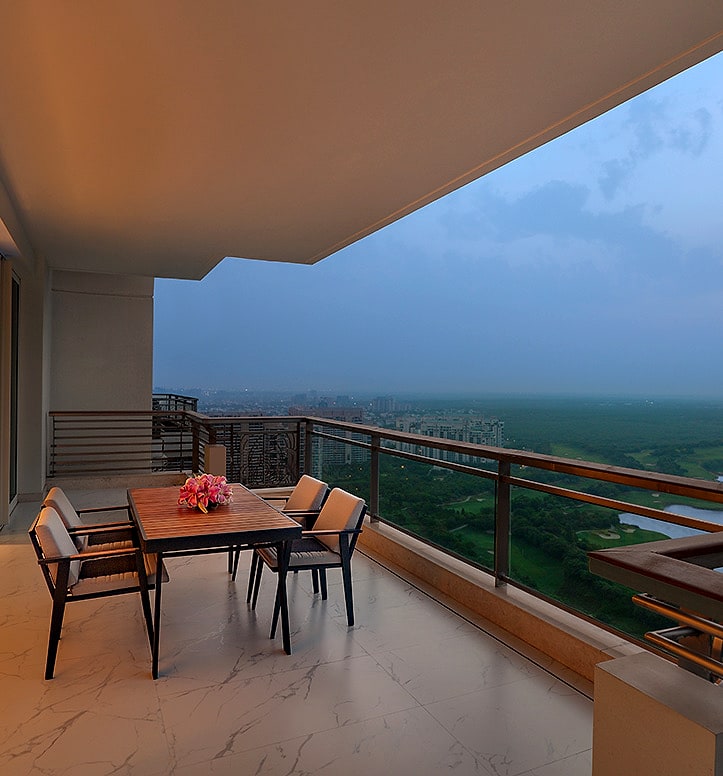
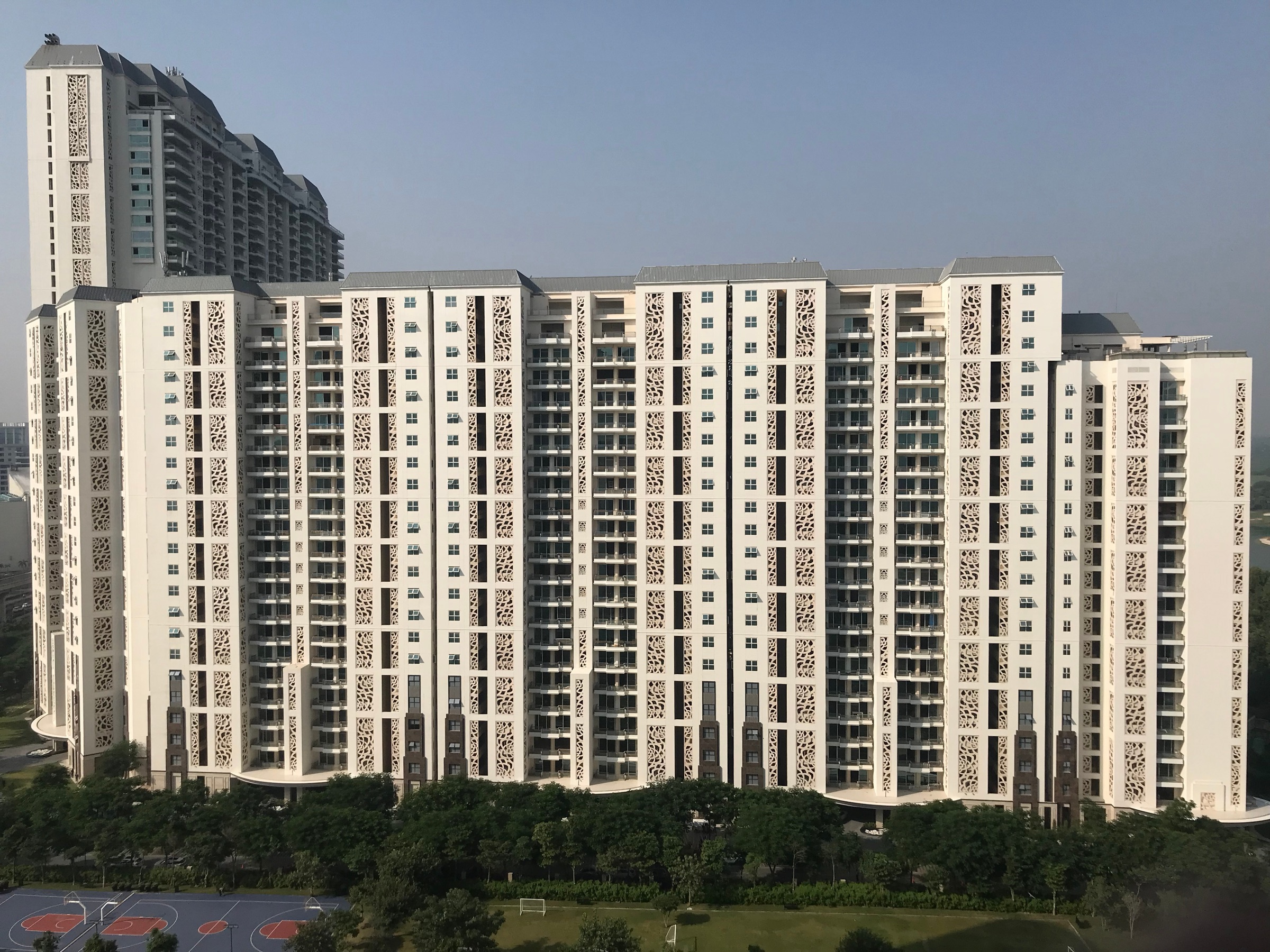
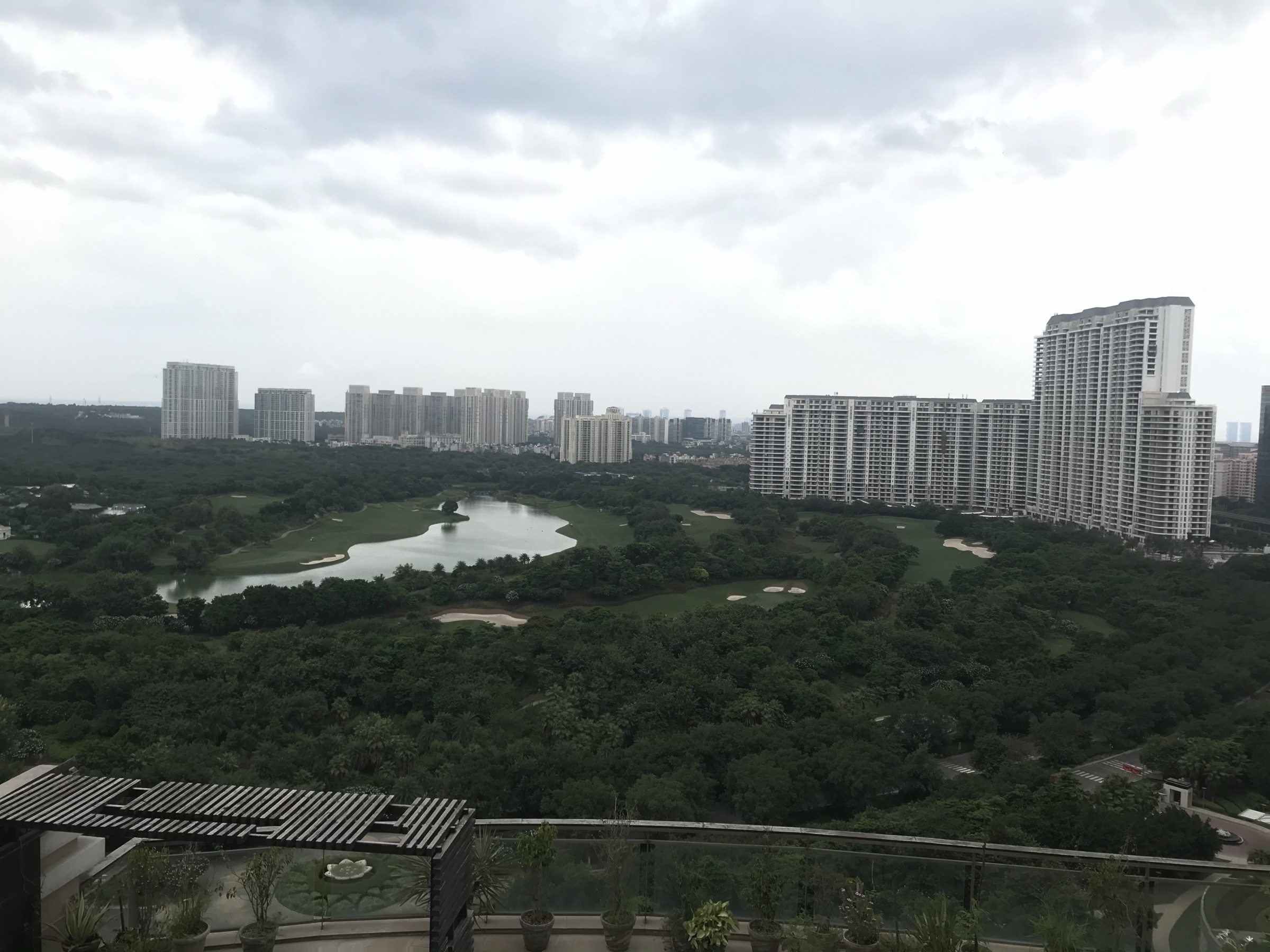
Owners are often surprised how far apart two homes in the same project can be. At The Magnolias, a flat in one tower can be an entirely different conversation on price from a flat of a similar size in another. Position, view and what the owner has done inside all change what a buyer will pay. That's why I'd rather read your floor and your view than quote a project average. When there's no recent sale close to yours, the read is slower and wider: nearby towers, the asking prices that didn't sell, the questions buyers keep asking. I'll say so plainly when the evidence is thin.
What visits tell you
Visits are information, not a verdict. A buyer who leaves in ten minutes usually found one thing that didn't fit: the floor, the light, the parking or the layout. Three visits and no second visit is telling you something too. We ask each buyer what stopped them, plainly, and then read the answers with you. Sometimes the fix is the price. Often it's a repaint, a cleared balcony or a different hour for the visit.
One quiet question
Before an owner fixes the asking price, I ask one more thing, quietly. If this home came up today at your asking price, would you buy it yourself? Most owners go quiet for a moment. That's where the right number starts.
Pricing a home like this is a judgement on one floor and one view, not a formula. Done calmly and at the start, it spares you a run of offers that go nowhere.
Papers before photographs
The other thing that moves a price is certainty. A serious buyer at this level will pay fairly for a home whose papers are complete, and will discount one where they aren't. For a finished home that means the registered sale deed, the occupation certificate where one applies, a clear record of maintenance and club dues, and the bank's release if the home was mortgaged. For a home still under construction, it means the allotment letter, the payment receipts, the buyer's agreement and the developer's terms for transfer.
I'd rather spend the first week on those than on photographs. A buyer who finds everything in order on the first visit argues less about the second number. If you live abroad, the buyer has to deduct tax from the price before paying you, so bring your chartered accountant in before you agree a figure. Our NRI page covers the steps.
A straight read before you list
If you're thinking of selling on Golf Course Road or Golf Course Extension Road, start with both numbers on one page: what the home has cost you, and what similar homes nearby have actually sold for. It makes every conversation after that calmer, including the ones with buyers. If you'd rather not list publicly at all, that works too. I've written about how a quiet sale runs.